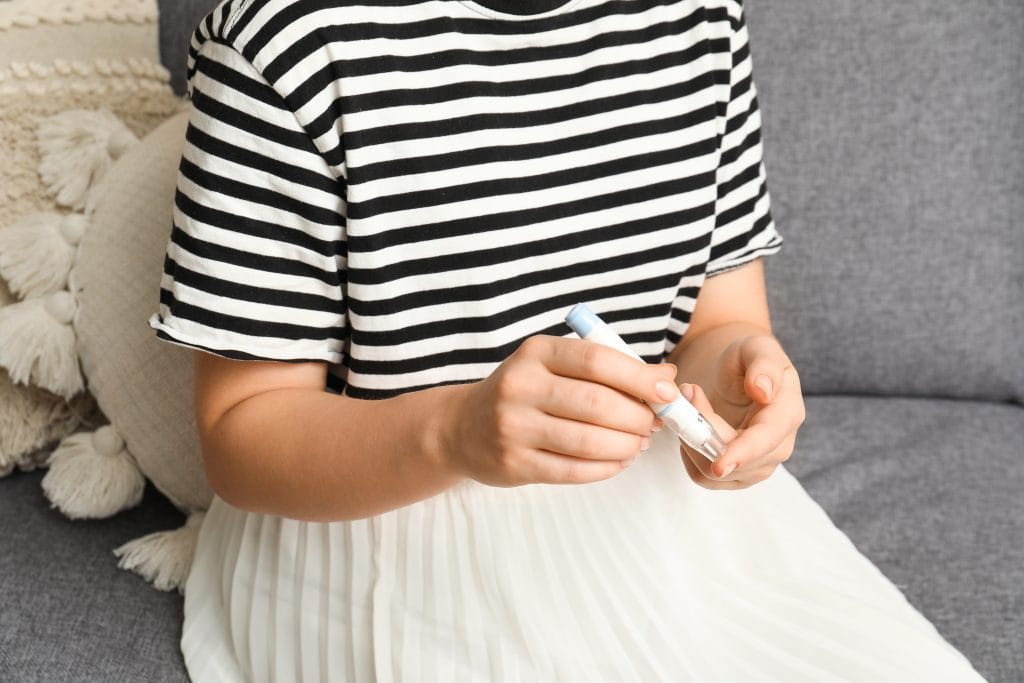
GLP-1 stands for glucagon-like peptide-1, a hormone your small intestine releases within minutes of a meal. It tells the pancreas to release insulin, slows how fast the stomach empties, and signals fullness to the brain. The medicines people call GLP-1s are engineered copies of that hormone, prescribed for type 2 diabetes, for obesity, and for a short list of related conditions.
One term is doing three jobs at once: the natural hormone, the drug class, and the brand names on the pen. Keeping those apart is what makes the rest of it simple, including what to expect on the scale and what you will actually pay.
What GLP-1 stands for, and what the hormone does
Glucagon-like peptide-1 is an incretin, meaning a gut hormone that boosts insulin release after you eat. Cells in the lower small intestine and colon put it out in response to food, especially protein, fat and fiber. Your own GLP-1 does not last long. Enzymes in the blood chop it up in about two minutes, so it works as a short burst tied to each meal.
In that short window it does four things:
- Prompts the pancreas to release insulin, but mainly when blood sugar is high, which is why the hormone itself rarely drives sugar too low
- Suppresses glucagon, the hormone that tells the liver to push glucose into the blood
- Slows gastric emptying, so food leaves the stomach more gradually and you feel full longer
- Acts on appetite centers in the brain, lowering hunger and the pull of food cues
Those effects explain why one hormone ended up in both a diabetes drug and an obesity drug. Better sugar control and less appetite come from the same signal.
How GLP-1 medications copy the hormone
Drugs in this class are GLP-1 receptor agonists, which means they switch on the same receptor the hormone uses. They are built to resist the enzyme that breaks down the natural version, so a single dose lasts hours or a full week instead of minutes. Most are injected under the skin with a pen. One semaglutide product is a daily tablet.
Labels start you at a low dose and step it up in stages, often every four weeks. That titration exists for a reason: nausea tracks with how fast the dose climbs. Blood sugar usually responds within the first weeks. Weight changes build over months, and many people do not reach a maintenance dose until around four or five months in.
Tirzepatide is often grouped with this class but is not a pure GLP-1 drug. It activates two gut hormone receptors, GLP-1 and GIP. That difference matters when you read trial results, because the two families were tested separately in different groups of people.
GLP-1 drugs list: which molecule, which brand, which use
Brand names sell the drug, but the molecule is what determines dosing, schedule and approved use. Here is how the main ones line up.
| Molecule | Brand names | How it is given | Main approved uses |
|---|---|---|---|
| Semaglutide | Ozempic, Wegovy, Rybelsus | Weekly injection; Rybelsus is a daily tablet | Type 2 diabetes; Wegovy for chronic weight management and to lower cardiovascular risk in adults with established heart disease plus overweight or obesity |
| Tirzepatide (GLP-1 plus GIP) | Mounjaro, Zepbound | Weekly injection | Type 2 diabetes; Zepbound for chronic weight management and for obstructive sleep apnea in adults with obesity |
| Liraglutide | Victoza, Saxenda | Daily injection | Type 2 diabetes; Saxenda for chronic weight management |
| Dulaglutide | Trulicity | Weekly injection | Type 2 diabetes |
| Exenatide | Byetta, Bydureon BCise | Twice daily or weekly injection | Type 2 diabetes |
Same molecule, different brand, different label. Ozempic and Wegovy are both semaglutide, yet only one is approved for weight management, and the maximum doses differ. That single fact drives most coverage denials people run into.
Is GLP-1 the same as Ozempic?
No. GLP-1 is the hormone and the name of the whole drug class. Ozempic is one brand of one molecule in that class, semaglutide, approved for type 2 diabetes. Saying you are on a GLP-1 tells a clinician the mechanism; it does not say which drug, which dose, or which condition is being treated.
The distinction is practical. Pharmacies stock by brand and strength. Insurers approve by brand and indication. If you ask for a GLP-1 without naming the molecule, you cannot tell whether a quoted monthly figure covers a weekly pen, a daily pen or a tablet.
Which GLP-1 drugs for weight loss work best
The honest answer is that the big trials used different drugs in different populations, so cross-trial numbers are a rough guide rather than a head-to-head verdict. Two anchor results are worth knowing.
In the main semaglutide obesity trial, adults on the weekly 2.4 mg dose lost an average of 14.9% of body weight over 68 weeks, versus 2.4% on placebo (New England Journal of Medicine). In the tirzepatide obesity trial, the highest dose produced an average reduction of 20.9% of body weight at 72 weeks (New England Journal of Medicine).
Semaglutide vs Tirzepatide: Trial Weight Loss Results
| Semaglutide (Wegovy) | Tirzepatide (Zepbound) | |
|---|---|---|
| Avg body weight lost | 14.9% | 20.9% |
| Trial length | 68 weeks | 72 weeks |
| Dose | 2.4 mg weekly | Highest dose weekly |
| Comparator loss (placebo) | 2.4% | Not directly compared |
Averages hide a wide spread. Some people lose far more, some lose very little, and roughly one in ten stops early because of side effects. Response also depends on whether you stay on the dose long enough to see it, which is where coverage and monthly out-of-pocket spend quietly decide outcomes.
Why it matters: a drug you can afford for a year usually beats a stronger drug you stop after two months.
Can you take a GLP-1 if you do not have diabetes?
Yes, for the products approved for weight management. Those labels are written around body mass index: a BMI of 30 or higher, or 27 or higher with at least one weight-related condition such as high blood pressure, high cholesterol, sleep apnea or prediabetes. Prescriptions for people without diabetes are the norm in that group, not an exception.
If you are not sure which side of those cutoffs you sit on, work out the number before the appointment.
BMI calculator
Most weight-loss programmes screen on BMI before they will prescribe. This is the number they will use.
A screening number, not a diagnosis. It does not distinguish muscle from fat, and it reads high for muscular builds.
These drugs are not for type 1 diabetes and are not a treatment for diabetic ketoacidosis. They are also not appropriate during pregnancy, and labels advise stopping well before a planned pregnancy. Anyone with a history of pancreatitis, severe gastrointestinal disease or delayed stomach emptying needs a specific conversation rather than a default prescription.
Side effects: what is common, what is serious, how long it lasts
Most side effects are digestive and most show up in the first weeks or right after a dose increase. Nausea is the headline complaint; in the semaglutide obesity trial it was reported by 44.2% of participants on the drug compared with 17.4% on placebo (New England Journal of Medicine).
Commonly reported:
- Nausea, vomiting, diarrhea or constipation
- Burping, reflux, bloating and stomach pain
- Fatigue and headache
- Redness or itching at the injection site
- Hair thinning, usually linked to rapid weight loss rather than the drug itself
How long do they last? For most people the queasiness eases within days to a couple of weeks after each step up, then settles once the dose is stable. Persistent vomiting, pain that wraps to the back, or symptoms that get worse instead of better are not a titration phase, and they need a same-day call.
Serious risks that appear on labels in this class:
- Pancreatitis, signaled by severe ongoing abdominal pain
- Gallbladder problems, including gallstones, more likely with fast weight loss
- Kidney injury caused by dehydration from vomiting or diarrhea
- Low blood sugar when combined with insulin or a sulfonylurea, which often means those doses have to come down
- Worsening of diabetic retinopathy in some people whose blood sugar drops quickly
- Slowed stomach emptying that raises aspiration risk under anesthesia, so tell any surgical or dental sedation team you are on one
On the cancer question: most of these drugs carry a boxed warning about thyroid C-cell tumors seen in rodents, and they are contraindicated if you or a close relative had medullary thyroid carcinoma or multiple endocrine neoplasia syndrome type 2. Whether that risk translates to humans is not established, and human studies have not shown a clear causal link. It is still a history worth raising before the first pen.
Stopping is its own topic. Appetite returns, and trials that withdrew the drug saw much of the lost weight come back for most participants as researchers have described in withdrawal studies (Stanford Medicine). Plan for that before you start, because obesity is treated as a long-term condition, not a course of antibiotics.
What GLP-1 drugs cost, and what changes the number
Two prices exist for the same molecule: what a plan pays after rebates, and what a person pays without coverage. Across the telehealth services we track, monthly semaglutide pricing sits in this range: $99 to $499.


No provider matches that filter. .
See every provider we track, with filters and sorting
Insurance is where GLP-1 drugs for weight loss get complicated, because plans often cover the diabetes indication and exclude the obesity one. Things that move your number:
- Coverage of the indication. Many commercial plans exclude anti-obesity medication outright, even when they cover the same molecule for diabetes.
- Prior authorization. Expect documented BMI, weight history, a record of prior attempts, and sometimes lab values before approval.
- Step therapy. Some plans require a cheaper drug first and a documented failure before they will approve the one you were prescribed.
- Deductible phase. Until the deductible is met, you may pay the negotiated price, which can dwarf your later copay.
- Copay versus coinsurance. A flat copay is predictable. Coinsurance is a percentage of a high-cost drug, so the bill moves with the price.
- Manufacturer savings cards. Usually limited to commercial insurance and closed to Medicare and Medicaid.
- Cash-pay direct programs. Both major manufacturers sell single-dose vials at a lower monthly self-pay figure, which changes the math for uninsured buyers.
- Medicare. Part D plans have long been barred from covering drugs used only for weight loss, though coverage can open when the same molecule is approved for another use such as lowering cardiovascular risk or treating sleep apnea.
Compounded semaglutide and tirzepatide sit outside all of that. They are made by pharmacies rather than approved as finished products, dosing often comes in units rather than milligrams, and regulators have warned about dosing errors and unapproved salt forms. Cheaper is real; equivalent is not a claim anyone can make for you.
Because this is a long-term prescription, the useful figure is the yearly one, not the monthly one.
What a year actually costs
Programmes quote a monthly headline. Add the medication, the labs and the renewal price and the real number is usually different.
Advertised prices change often and intro pricing rarely lasts. Ask what the renewal rate is before you commit to a plan.
Best on value
What you get for what you pay.
- Found8.9 / 10
- ShedRx8.2 / 10
- Henry Meds8.2 / 10
- Lumimeds8 / 10
- Amble8 / 10
Lowest monthly price
Cheapest verified plan for a new self-pay patient.
- Amazon One Medical$17/mo
- LifeMD$19/mo
- PlushCare$20/mo
- Hims$22/mo
- Strut Health$25/mo
Ranked from our own scores, recomputed as data changes. Providers cannot pay for a place.
Do GLP-1 supplements work, and can food raise GLP-1?
Supplements marketed as GLP-1 boosters are not the same category of thing as a prescription drug. They are not approved to treat obesity or diabetes, their contents are not verified the way a drug label is, and berberine, the ingredient often sold as a natural alternative, has not been shown to produce anything like prescription-level weight loss.
Food genuinely does trigger your own GLP-1, just briefly and at a fraction of drug-level exposure. Meals that tend to raise it include:
- Protein at each meal: eggs, fish, poultry, dairy, tofu
- Soluble fiber: oats and barley, beans, lentils, chia, psyllium
- Whole fruit and non-starchy vegetables eaten before the starch on the plate
- Monounsaturated fats such as olive oil, nuts and avocado
- Fermented foods and resistant starch, such as yogurt, kefir and cooled cooked potatoes or rice, which feed the gut bacteria that produce short-chain fatty acids
What blunts the effect is the opposite pattern: refined carbohydrate, low fiber, ultra-processed meals eaten quickly. Eating more slowly and putting protein and vegetables first will not replicate a weekly injection, but it does improve fullness and is the same eating pattern clinicians recommend alongside the drugs.
What to do next
- Write down your BMI, your weight-related conditions, and any history of pancreatitis, gallbladder disease, thyroid cancer or gastroparesis.
- Call your plan and ask two specific questions: is anti-obesity medication covered at all, and what does prior authorization require.
- Ask which molecule and brand is being prescribed, and what the maintenance dose is, so you know what you are paying for over a year.
- Agree a plan for the dose steps: what to do about nausea, when to call, and what happens if you cannot tolerate the next increase.
- Ask what maintenance looks like if the drug works, and what happens to weight and blood sugar if you stop.
Before Your First GLP-1 Prescription
- Know your BMI and any weight-related conditions (high blood pressure, high cholesterol, sleep apnea, prediabetes)
- Check your history: pancreatitis, gallbladder disease, medullary thyroid carcinoma, or gastroparesis
- Ask your insurer: is anti-obesity medication covered, and what does prior authorization require?
- Confirm the exact molecule and brand being prescribed, not just 'a GLP-1'
- Ask the pharmacy for both cash price and with-coverage price on the same day
- Agree a titration plan: what to do about nausea and when to call if symptoms worsen
- Ask what maintenance looks like long-term if the drug works, and what happens if you stop
Quick tip: ask the pharmacy for the cash price and the with-coverage price on the same day; sometimes the self-pay route is the cheaper one.
Sources
- Peer-reviewed review of GLP-1 physiology and pharmacology
- Peer-reviewed trial report: semaglutide 2.4 mg in overweight and obesity
- Peer-reviewed trial report: tirzepatide in obesity
- Academic medical center explainer on GLP-1 safety and use
This content is for general informational purposes only and is not a substitute for professional medical advice, diagnosis, or treatment. Always consult a qualified clinician or pharmacist about your situation, and seek urgent care or call your local emergency number for severe or worsening symptoms.
Frequently asked questions
What does GLP-1 stand for?
GLP-1 stands for glucagon-like peptide-1, a hormone released by the gut after eating. It raises insulin when blood sugar is high, lowers glucagon, slows stomach emptying and reduces appetite. The natural hormone lasts about two minutes in the blood, which is why the medicines are modified to last hours or a week.
What are the negative side effects of GLP-1 medications?
Nausea, vomiting, diarrhea, constipation, burping, reflux, stomach pain, fatigue and headache are the common ones, and they cluster around dose increases. Labels also warn about pancreatitis, gallbladder disease, dehydration-related kidney injury, low blood sugar when combined with insulin or a sulfonylurea, worsening diabetic retinopathy, and slowed stomach emptying that raises aspiration risk under anesthesia. Most of these drugs carry a boxed warning about thyroid C-cell tumors seen in rodents and are contraindicated with a personal or family history of medullary thyroid carcinoma or MEN 2.
Is GLP-1 the same as Ozempic?
No. GLP-1 is the hormone and the name of the drug class. Ozempic is one brand of semaglutide, approved for type 2 diabetes. Wegovy is the same molecule at doses approved for weight management, and other drugs in the class include tirzepatide, liraglutide, dulaglutide and exenatide.
How long do GLP-1 side effects last?
For most people the digestive symptoms fade within days to a couple of weeks after each dose increase, then settle once the dose stops changing. Symptoms that keep worsening, severe abdominal pain, or vomiting that prevents you from drinking fluids are not part of normal adjustment and warrant a prompt call to your clinician.
How can I increase GLP-1 naturally?
Protein, soluble fiber from oats, barley, beans and lentils, whole fruit and vegetables, monounsaturated fats, and fermented foods all trigger your own GLP-1 release. The effect is short-lived and much smaller than a prescription dose, so food is a support for appetite and blood sugar rather than a substitute. Supplements sold as natural GLP-1 boosters are not approved to treat obesity or diabetes.
What happens to weight after stopping a GLP-1?
Appetite typically returns and weight regain is common, because the drug is treating an ongoing condition rather than curing it. Withdrawal studies show much of the lost weight comes back for most participants. Ask your clinician what maintenance would look like before you start, including dose, monitoring and cost over a full year.

