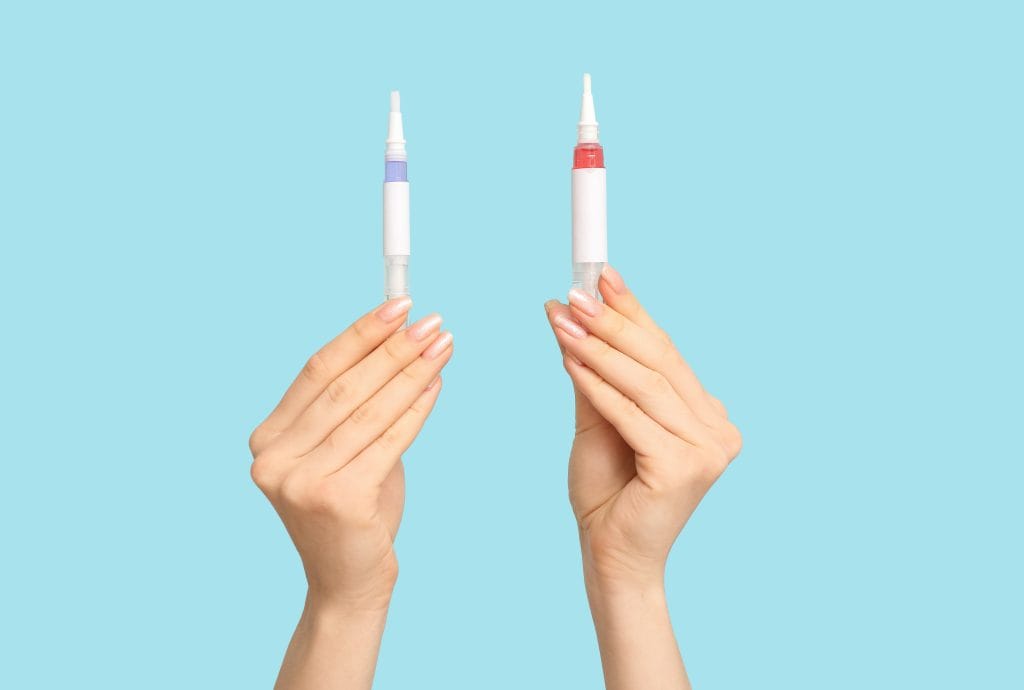
Zepbound and Mounjaro are the same medicine. Both contain tirzepatide, both are once weekly injections from Eli Lilly, and both act on the same two hormone receptors. What separates them is the approved use on the label: Mounjaro for blood sugar control in adults with type 2 diabetes, and Zepbound for long term weight management plus moderate to severe obstructive sleep apnea in adults with obesity.
Zepbound vs Mounjaro: Key Differences
| Zepbound | Mounjaro | |
|---|---|---|
| Active ingredient | Tirzepatide | Tirzepatide |
| Approved use | Weight management; obstructive sleep apnea | Type 2 diabetes blood sugar control |
| Insurance category | Anti-obesity benefit | Diabetes drug benefit |
| Prior auth criteria | BMI, diet plan, step therapy | Blood sugar metrics |
| Medicare Part D | Typically excluded for weight loss | May be covered |
| Sleep apnea approval | Yes | No |
That single difference drives the parts that cost you money. In a Zepbound vs Mounjaro decision, the molecule is not the variable. Your diagnosis, your plan’s drug list and your prescriber’s paperwork are.
Same drug, two labels: what is identical and what is not
Tirzepatide is a dual GIP and GLP-1 receptor agonist, which means it mimics two gut hormones that affect appetite, digestion and insulin release. Zepbound and Mounjaro deliver that same molecule in the same milligram amounts on the same weekly schedule.
Identical between the two brands:
- Active ingredient: tirzepatide, one injection per week under the skin
- Starting dose of 2.5 mg, stepped up in 2.5 mg increments no sooner than every 4 weeks
- Maximum dose of 15 mg once weekly
- The same boxed warning about thyroid C-cell tumors
- The same contraindications and the same common stomach side effects
- The same refrigeration rules
Different between the two brands:
- The approved uses: diabetes for one, weight and sleep apnea for the other
- Which part of your insurance benefit is asked to pay
- The prior authorization form and the clinical criteria attached to it
- Manufacturer savings and self pay programs, which have separate terms
- Whether a single dose vial channel exists alongside the pens
Why it matters: Two prescriptions with the same drug inside can differ by hundreds of dollars a month purely because of the diagnosis code attached to the claim.
Zepbound vs Mounjaro cost: what actually changes the number
There is no permanent winner on price. List prices for the two brands sit close together, and what you pay comes from the channel and the benefit, not the brand name on the box. Ask about the cash route and the insured route separately, because they rarely land in the same place.
Here is the spread across the self pay tirzepatide programs we track:
$99 to $399The levers that move your monthly cost:
- Pens versus single dose vials. Vial programs from the manufacturer are self pay only and are priced by strength, not by insurance tier.
- Deductible phase. Before a deductible is met, an insured patient often pays more than a cash patient.
- Copay versus coinsurance. A flat copay is predictable. Coinsurance on a specialty tier is a percentage of a large number.
- Fill size. A 28 day supply is four pens. Some plans allow a 90 day fill through mail order at a lower cost per week.
- Savings cards. Manufacturer cards usually require commercial insurance and exclude Medicare and Medicaid.
- Program fees. Telehealth weight programs may bundle visits, coaching and labs into a membership fee that sits on top of the drug price.
These are the tirzepatide programs sorted from the lowest tracked price:


No provider matches that filter. .
See every provider we track, with filters and sorting
Before you commit, run the insured path against the cash path for a full year, including any membership fee. That comparison, not the sticker price, is what tells you which route is cheaper for you.
Insurance or cash pay, which is cheaper
Going through insurance is not automatically cheaper. Deductibles, copays and prior authorisation can make a cash-pay programme the better deal.
Coverage is never something a programme can promise: plans decide, prior authorisation is routine for GLP-1 medicines, and denials are common. Confirm with your own plan before choosing.
Why insurance covers Mounjaro but not Zepbound
This is the single most common surprise, and it is a benefit design issue rather than a clinical one. Most commercial plans treat diabetes drugs as core medical coverage. Many of those same plans place anti-obesity medications in an excluded category, so the claim is rejected no matter how strong the clinical case is.
Common reasons a Zepbound claim fails while a Mounjaro claim clears:
- Category exclusion. The employer group chose not to buy weight management drug coverage, so the drug is not on the formulary at any tier.
- Prior authorization criteria. Weight management approvals often require documented body mass index over time, a recorded diet and activity plan, and sometimes proof that a cheaper drug failed first.
- Step therapy. The plan may require an older or lower cost medicine before it will pay for tirzepatide.
- Quantity limits. Four pens per 28 days is typical, and dose escalations can trigger a fresh review.
- Medicare Part D. Federal rules exclude drugs used for weight loss, though a Part D plan may cover a drug prescribed for another accepted use, such as obstructive sleep apnea. Plans differ, so the answer comes from the plan’s own criteria.
- Medicaid. Coverage of anti-obesity medicines varies state by state.
Asking a prescriber for Mounjaro to treat weight without diabetes is not a workaround. Insurers audit diagnosis codes, pharmacy systems flag mismatches, and the claim can be reversed after the fact. The productive move is to pull your plan’s drug list and its prior authorization criteria document, then have the prescriber write to those exact criteria.
If your plan covers weight management drugs, filter the tracked programs to the ones that work with insurance:


No provider matches that filter. .
See every provider we track, with filters and sorting
Who qualifies for each prescription
Mounjaro is for adults with type 2 diabetes, alongside diet and exercise, to improve blood sugar control. It is not for type 1 diabetes.
Zepbound is for adults with obesity, defined as a body mass index of 30 or higher, or adults with a body mass index of 27 or higher who also have at least one weight related condition such as high blood pressure, abnormal cholesterol, type 2 diabetes, sleep apnea or heart disease. It also carries an approval for moderate to severe obstructive sleep apnea in adults with obesity, used with a reduced calorie diet and more physical activity.
Since most prior authorization forms open with a body mass index number, it helps to know yours before the appointment.
BMI calculator
Most weight-loss programmes screen on BMI before they will prescribe. This is the number they will use.
A screening number, not a diagnosis. It does not distinguish muscle from fat, and it reads high for muscular builds.
Sleep apnea changes the picture for some people. Zepbound holds the sleep apnea approval; Mounjaro does not. If you have a sleep study showing moderate to severe obstructive sleep apnea, that documented diagnosis can open a coverage path that a weight only request would not.
Zepbound vs Mounjaro dosing: strengths and titration
Both brands come as single dose pens in 2.5, 5, 7.5, 10, 12.5 and 15 mg strengths, injected once a week on the same day each week, with or without food. The step up schedule is deliberately slow to limit stomach side effects.
- 2.5 mg once weekly for 4 weeks. This is a starting dose, not a treatment dose.
- Increase to 5 mg once weekly.
- If more effect is needed and the dose is tolerated, increase by 2.5 mg after at least 4 weeks on the current dose.
- Do not exceed 15 mg once weekly.
For weight management, the recommended maintenance doses are 5, 10 and 15 mg, with 7.5 and 12.5 mg acting as stepping stones. For type 2 diabetes, any strength up to 15 mg can be a maintenance dose depending on blood sugar response and tolerance. A missed dose can be taken within 4 days; after that, skip it and take the next scheduled dose. Never take two doses within 3 days of each other.
Injection sites are the abdomen, thigh or upper arm, rotating each week. Pens are single use.
Does Zepbound work as well as Mounjaro?
Yes. Same molecule, same dose, same effect in the body. A 10 mg Zepbound pen and a 10 mg Mounjaro pen deliver identical amounts of tirzepatide. Any difference in published average results reflects who was studied and what was measured, not drug potency.
The weight trials enrolled adults with obesity or overweight without diabetes. In that program, participants taking 15 mg once weekly lost an average of about 21 percent of body weight over 72 weeks, compared with about 3 percent on placebo (New England Journal of Medicine, SURMOUNT-1). The diabetes trials measured A1c and weight in people with type 2 diabetes, where weight loss on the same drug tends to be smaller on average.
People also ask which GLP-1 medicine is strongest for weight loss. Tirzepatide is the only marketed medicine in this family that targets both GIP and GLP-1 receptors, and head to head research against semaglutide favored tirzepatide on average weight change. Averages are not promises. Tolerance of nausea, ability to stay on the drug and coverage stability decide more real world outcomes than a league table does.
Side effects, warnings and what to monitor
The safety profile is the same for both brands because the drug is the same.
Common side effects, mostly during dose increases:
- Nausea, diarrhea, vomiting, constipation
- Stomach pain, indigestion, burping
- Injection site reactions, fatigue, hair thinning
Serious warnings to know before the first injection:
- Boxed warning: tirzepatide caused thyroid C-cell tumors in rodents. It should not be used by anyone with a personal or family history of medullary thyroid carcinoma or with multiple endocrine neoplasia syndrome type 2. Report a neck lump, hoarseness, trouble swallowing or shortness of breath.
- Pancreatitis. Severe, lasting stomach pain, with or without vomiting, needs urgent care.
- Gallbladder problems. Rapid weight loss raises the risk of gallstones.
- Low blood sugar. Risk rises sharply when tirzepatide is combined with insulin or a sulfonylurea, so those doses often need adjusting by the prescriber.
- Kidney injury. Ongoing vomiting or diarrhea can cause dehydration and worsen kidney function.
- Diabetic retinopathy. Fast improvements in blood sugar can affect existing eye disease, so eye checks matter for people with diabetes.
- Mood changes. Watch for new or worsening depression or thoughts of self harm and report them.
- Anesthesia and sedation. Delayed stomach emptying raises the risk of food entering the lungs, so tell surgical and anesthesia teams you take this medicine.
- Oral medicines. Slower stomach emptying can change how pills are absorbed. Oral birth control may be less reliable, and a backup method or a non-oral method is usually advised for a period after starting and after each dose increase.
Do not use tirzepatide during pregnancy or while trying to conceive without a clinician’s guidance, and do not use it with another tirzepatide product or another GLP-1 medicine. Sensible monitoring includes weight, blood pressure, A1c or glucose for people with diabetes, kidney function if you have had a stretch of vomiting or diarrhea, and a check on protein intake and muscle strength as weight comes off.
Switching between Zepbound and Mounjaro
Because the drug is identical, a switch is administrative rather than clinical. Most people move at the same milligram strength on the same weekly day. Even so, a few things reset.
- A new prescription is needed, since the brand name on the label changes.
- A new prior authorization is usually required, judged against different criteria.
- Your pharmacy may need to re-run the claim, and any savings program enrollment is brand specific.
Never take Zepbound and Mounjaro together. That is a double dose of the same active ingredient and raises the risk of severe nausea, vomiting, dehydration and low blood sugar. Keep one product, one weekly dose.
Compounded tirzepatide is a separate matter. Compounded copies are not reviewed for safety, effectiveness or quality the way the approved brands are, and pharmacy compounding of copies is restricted once a drug is no longer in shortage. If a program offers tirzepatide at a price far below everything else, ask directly whether the product is the approved brand or a compounded preparation.
Zepbound vs Mounjaro vs Ozempic and Wegovy
Four brand names, two molecules, four labels. This is the map most people are looking for.
Four Brands, Two Molecules
| Tirzepatide brands | Semaglutide brands | |
|---|---|---|
| Diabetes label | Mounjaro | Ozempic |
| Weight/other label | Zepbound | Wegovy |
| Receptors targeted | GIP + GLP-1 | GLP-1 only |
| Brand | Active ingredient | Drug class | Approved use |
|---|---|---|---|
| Zepbound | Tirzepatide | Dual GIP and GLP-1 receptor agonist | Long term weight management; moderate to severe obstructive sleep apnea in adults with obesity |
| Mounjaro | Tirzepatide | Dual GIP and GLP-1 receptor agonist | Blood sugar control in adults with type 2 diabetes |
| Wegovy | Semaglutide | GLP-1 receptor agonist | Long term weight management, including reducing cardiovascular risk in adults with obesity or overweight and heart disease |
| Ozempic | Semaglutide | GLP-1 receptor agonist | Blood sugar control in type 2 diabetes, with added heart and kidney risk reduction uses |
So no, Zepbound is not the same as Ozempic or Wegovy. Those two contain semaglutide and act on one receptor. Zepbound and Mounjaro are the tirzepatide pair, split the same way: one label for diabetes, one for weight.
Storage, travel and handling
Store pens in the refrigerator between 36 and 46 degrees Fahrenheit, which is 2 to 8 degrees Celsius. Do not freeze, and do not use a pen that has been frozen. Keep pens in the original carton to protect them from light.
Pens may be kept at room temperature, up to 86 degrees Fahrenheit or 30 degrees Celsius, for up to 21 days. That window covers most travel, but once a pen has spent time out of the fridge it should not go back into long term cold storage. Carry pens in hand luggage with a cool pack, keep the prescription label attached, and pack a sharps container plan for used pens.
What to do next
- Write down your body mass index, your A1c if you have one, and any sleep study result. These are the numbers a prior authorization form asks for.
- Download your plan’s drug list and its prior authorization criteria for anti-obesity medicines. Check for an outright category exclusion first.
- Ask your prescriber which label fits your diagnosis, and have the request written against the plan’s stated criteria.
- Price the insured route and the self pay route for 12 months, including any program fees, before you enroll anywhere.
- Confirm the product is the approved brand and not a compounded copy.
If you are weighing programs on more than price, this ranks the tirzepatide programs we track on overall value against cost:
Best on value
What you get for what you pay.
- Found8.9 / 10
- LillyDirect8.5 / 10
- ShedRx8.2 / 10
- Henry Meds8.2 / 10
- Lumimeds8 / 10
Lowest monthly price
Cheapest verified plan for a new self-pay patient.
- Amazon One Medical$17/mo
- LifeMD$19/mo
- PlushCare$20/mo
- Hims$22/mo
- Strut Health$25/mo
Ranked from our own scores, recomputed as data changes. Providers cannot pay for a place.
Sources and label references
- FDA approval announcement for chronic weight management
- FDA approval announcement for obstructive sleep apnea
- FDA approval announcement for type 2 diabetes treatment
- Peer-reviewed trial report on tirzepatide for obesity
This content is for general informational purposes only and is not a substitute for professional medical advice, diagnosis, or treatment. Always consult a qualified clinician or pharmacist about your situation, and seek urgent care or call your local emergency number for severe or worsening symptoms.
Frequently asked questions
Does Zepbound work as well as Mounjaro?
Yes. Both contain tirzepatide in the same strengths, so a 10 mg dose of one equals a 10 mg dose of the other. Differences in published average weight loss come from the study populations, since the weight trials enrolled people without diabetes and the diabetes trials measured blood sugar first.
Why would insurance cover Mounjaro but not Zepbound?
Most plans treat diabetes drugs as standard coverage but place anti-obesity medicines in an excluded benefit category. Even when weight management is covered, approval can require documented body mass index, a diet and activity plan, step therapy or quantity limits. Federal rules also exclude Part D coverage of drugs used for weight loss, although a plan may cover a drug prescribed for another accepted use such as obstructive sleep apnea.
Which is cheaper, Zepbound or Mounjaro?
Neither wins on price by default. List prices sit close together, and the amount you pay depends on the channel: an insured claim with a copay, coinsurance on a specialty tier, a manufacturer savings card, or a self pay program. Price both routes for a full year, including any membership or visit fees, rather than comparing sticker prices.
Are Zepbound and Mounjaro interchangeable?
Clinically they contain the same drug, but they are not interchangeable at the pharmacy counter. A pharmacist cannot substitute one for the other, so a switch needs a new prescription, often a new prior authorization, and a fresh look at any savings program terms. The weekly dose usually stays the same.
Can you take Mounjaro and Zepbound together?
No. Taking both means a double dose of tirzepatide, which raises the risk of severe nausea, vomiting, dehydration and low blood sugar. Tirzepatide should also not be combined with another GLP-1 medicine. Use one product at one weekly dose.
What side effects should I watch for on tirzepatide?
Nausea, diarrhea, vomiting, constipation and stomach pain are common, especially after each dose increase. Seek prompt medical care for severe or lasting stomach pain, signs of gallbladder problems, symptoms of very low blood sugar, or a neck lump, hoarseness or trouble swallowing. The boxed warning covers thyroid C-cell tumors, and the drug is contraindicated with a personal or family history of medullary thyroid carcinoma or multiple endocrine neoplasia syndrome type 2.
